
We want to support you in keeping your home safe and well maintained. As part of this, we provide information about asbestos and how to safely manage it in your home.
About Asbestos
Asbestos is a natural mineral fibre that was widely used in construction due to its strength, durability, sound absorption, thermal insulation, and resistance to heat and chemicals. Materials containing asbestos are generally safe if they are in good condition and left undisturbed, particularly when they are sealed, painted, or otherwise protected.
In most homes, asbestos does not pose a risk unless it is damaged or disturbed. Activities such as drilling, sanding, or cutting into materials that contain asbestos can release fibres into the air, which may be harmful if inhaled.
What Are the Different Types of Asbestos:
There are six recognised types of asbestos:
Where Asbestos May Be Found in the Home:
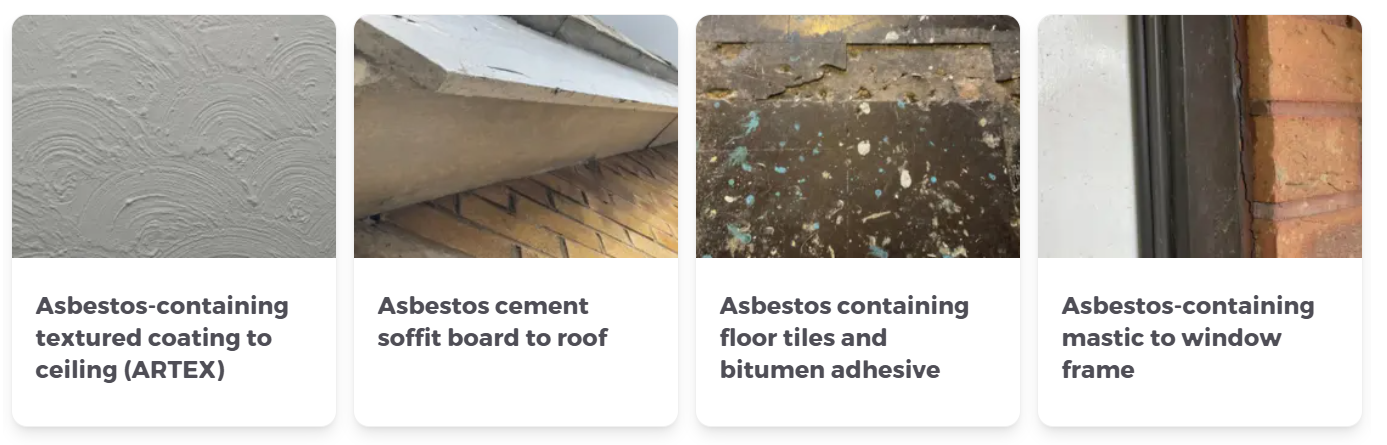
Properties built after 2000 are unlikely to contain asbestos. However, in older homes, asbestos may be present in:
Important: don’t jet-wash or clean asbestos cement roofs or corrugated garage or shed roofs.
Health Risks:
Asbestos only becomes a health risk when fibres are released into the air and inhaled. Small amounts of asbestos fibres exist naturally in the environment, and most people are exposed to very low levels without harm. Health risks are typically associated with prolonged exposure to high levels of airborne fibres, such as in certain industrial settings.
If asbestos-containing materials remain intact and undisturbed, they are unlikely to pose a significant risk. Attempting to remove or interfere with such materials without proper expertise can increase the danger.
DIY and Home Maintenance:
As a resident, you are responsible for general household maintenance.
However, you must not carry out any work on materials that you suspect may contain asbestos. Always contact us first for advice before starting any work.
Major Works:
You must seek approval before carrying out major works in your home. This includes activities such as removing fireplaces, lifting floor tiles, or removing textured coatings.
If asbestos is present and the work is being carried out at your request, you will be responsible for any associated removal costs.
Managing Asbestos in Your Home:
If asbestos is in good condition and undisturbed, the safest approach is to leave it in place. If damaged asbestos is identified, we will immediately assess the risk and take appropriate action to ensure your safety and that of your household.
If You Are Concerned About Asbestos:
Support and advice:
If you are concerned in any way or have some questions to ask, then please contact us.
You can also visit the website of the Health and Safety Executive hse.gov.uk for further guidance.
What we do:
To find out how we manage asbestos risks in the buildings and areas where we are responsible for maintenance and repairs, please view our Management of Asbestos Policy.


